Pevensey Farmers
Members of the Pevensey Farmer Cluster joined local naturalists for two morning walks in midsummer.
The first walk took place on a hot morning in June at Herstmonceux Castle. Twelve of us began by watching a pair of Grey Wagtails around the moat, before we walked through the immaculate formal gardens and out into the wilder estate grounds.
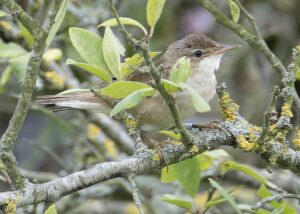
Many birds were singing, and we listened out for the differences between Blackcaps, Goldcrests and Coal Tits. The open, sometimes cattle-grazed woodland near the Folly was particularly rich in wildlife, with several White Admirals among the butterflies enjoying the dappled shade.
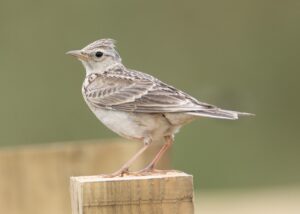
Throughout the walk we considered the mosaic of intermediate habitats that has developed across the northern parts of the estate – rougher areas of grassland supporting Kestrel and Skylark, while coppiced sweet chestnut encourages Bullfinch and Garden Warbler, and the lily ponds provide for Kingfishers, Reed Warblers and Brown Hawker dragonflies.
Two weeks later the weather was somewhat windier and greyer for ten of us on Down Level.
Floating Pennywort was in evidence, but Angie Walker was able to point to areas where the introduction of biological control appears to be slowing its pace.
Walking the byway, we compared the jagged songs of Sedge Warbler and Reed Warbler, and spotted three Great White Egrets – Heron-sized and relatively recent additions to the wildlife of the Levels, and now found throughout the year, along with their smaller cousins.
Moving onto the pasture, Martin Hole talked us through the ecological role of dung beetles and the major impact of veterinary chemicals on their preferred habitat.
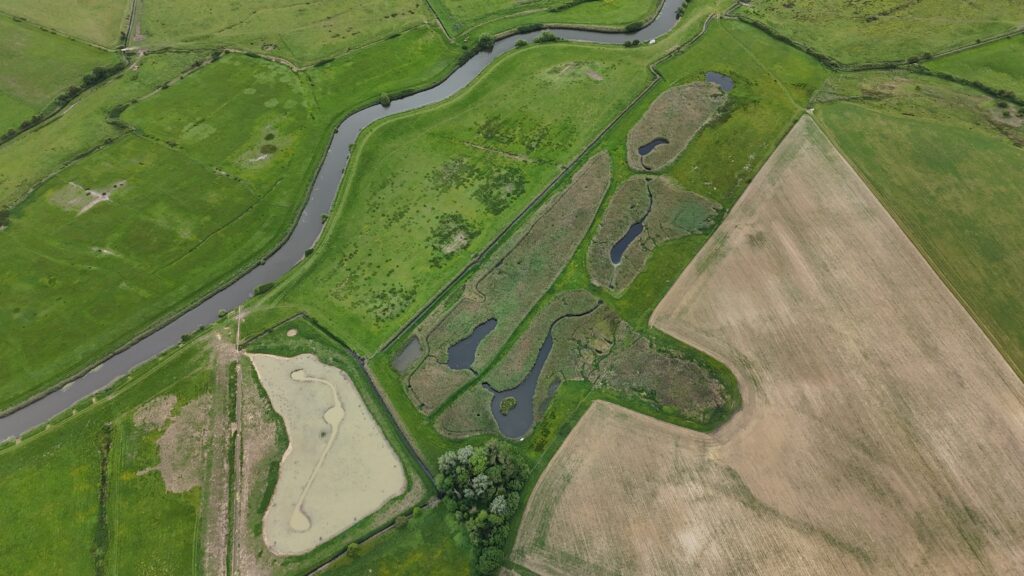
We walked along one of the new pools, recently created as part of the wider Networks for Nature project. We could see how this helps connect two longer-established wetland areas, between Down and Horse-eye Levels, and how cattle are continually poaching the edges and keeping them muddy.
Martin also showed us the different kinds of rush to be found in the pasture, and how they indicate subtle differences in water level – plus the protection they can afford to vulnerable birds such as Lapwings, one or two of which wheeled above us as we talked.
Both walks were full of conversation, good questions and new connections, and ended with at least a couple of new members.



Words by Charlie Peverett
Bird photos by Graham Bishop and White Admiral photo by Dave Finch
The two discovery walks, that took place on the 21st of June at Herstmonceux Castle and 5th July at Down Level were made possible by the High Weald Nature and Community Fund