 Pevensey Farmers
SPECIES LIST
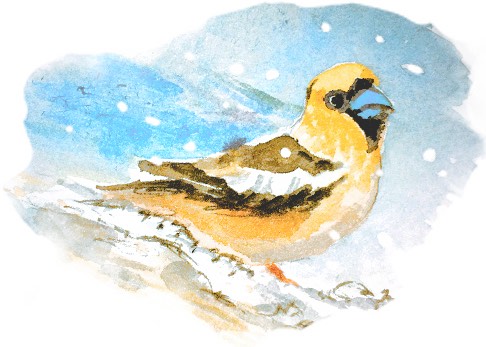
Winterbird Count
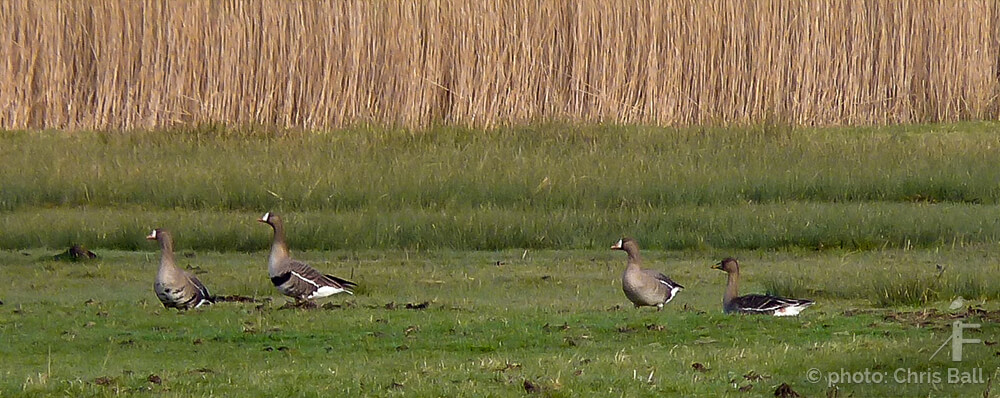
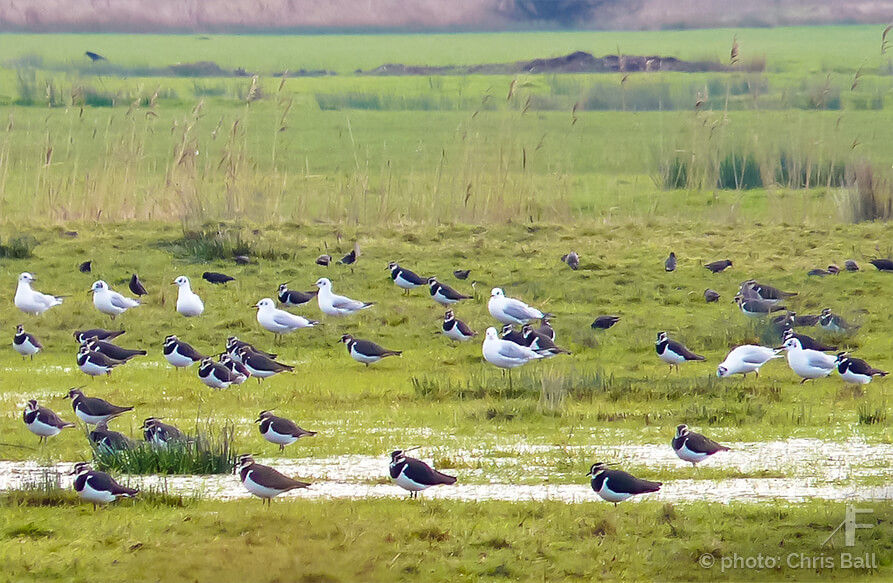
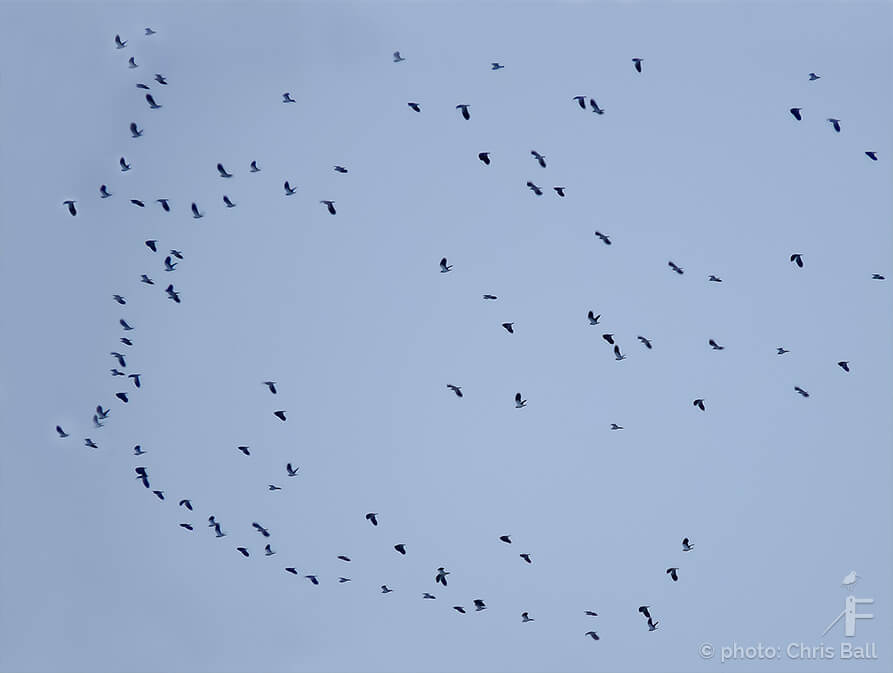
Pevensey Levels is still a very important site for overwintering Lapwing, Golden Plover and Snipe. Large flocks can assemble, especially in more remote areas. Smaller numbers of other waders such as Curlew also occur. Large numbers of wild duck and geese, with very occasional Bewick’s and even Whooper swans, can be still found on wetter grassland and along quiet sections of dyke.
With the national recovery in numbers of Bittern there is a higher likelihood of a glimpse of one here. Cranes have also been popping in, in ones and twos. There is an outside chance that with more protection from disturbance they could return to breed after a gap of 300 years or so.
Berry-eating thrushes, Fieldfare and Redwing, still forage in large groups through the Hawthorn and Blackthorn. Raptors also visit, occasional Hen Harriers and especially Short-Eared Owls come down from the north to quarter the rougher fields and hunt along the ditches.
Large numbers of birds gathering in fields in are worth noting as it is important to understand which areas of the Levels are most important to them. Years ago, when the Levels were wetter, there were flocks of many more thousands of wetland birds visiting in the colder months but there has been a steady decline. Pevensey Levels is the largest area of wetland in Sussex but is currently not supporting anything like as many wetland birds as expected. Finding out why that is and working to re-establish this beautiful area as the home of spectacular winter flocks are key conservation priorities.
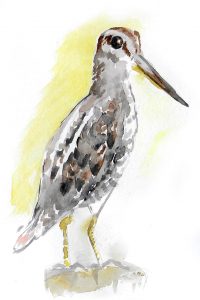 SNIPE
- JAN
- FEB
- MAR
- APR
- MAY
- JUN
- JUL
- AUG
- SEP
- OCT
- NOV
- DEC
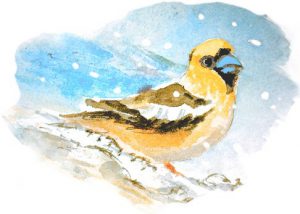 Winterbird Count
- JAN
- FEB
- MAR
- APR
- MAY
- JUN
- JUL
- AUG
- SEP
- OCT
- NOV
- DEC
 Lapwing
- JAN
- FEB
- MAR
- APR
- MAY
- JUN
- JUL
- AUG
- SEP
- OCT
- NOV
- DEC
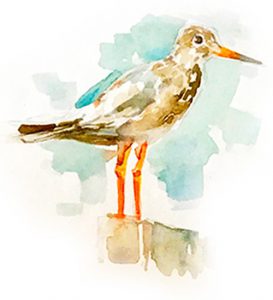 Redshank
- JAN
- FEB
- MAR
- APR
- MAY
- JUN
- JUL
- AUG
- SEP
- OCT
- NOV
- DEC
 Green-winged Orchid
- JAN
- FEB
- MAR
- APR
- MAY
- JUN
- JUL
- AUG
- SEP
- OCT
- NOV
- DEC
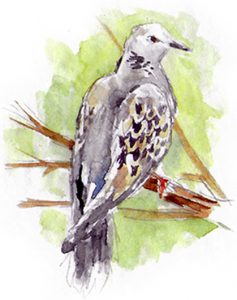 Turtle Dove
- JAN
- FEB
- MAR
- APR
- MAY
- JUN
- JUL
- AUG
- SEP
- OCT
- NOV
- DEC
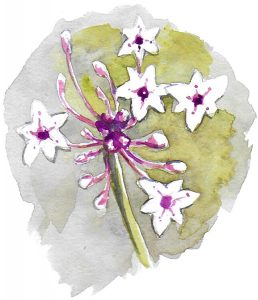 Flowering Rush
- JAN
- FEB
- MAR
- APR
- MAY
- JUN
- JUL
- AUG
- SEP
- OCT
- NOV
- DEC
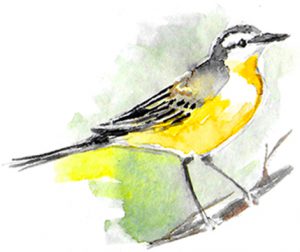 Yellow Wagtail
- JAN
- FEB
- MAR
- APR
- MAY
- JUN
- JUL
- AUG
- SEP
- OCT
- NOV
- DEC
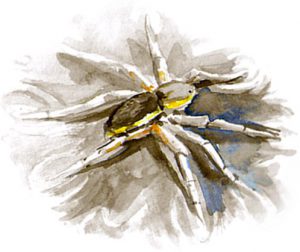 Fen Raft Spider
- JAN
- FEB
- MAR
- APR
- MAY
- JUN
- JUL
- AUG
- SEP
- OCT
- NOV
- DEC
 Ragged Robin
- JAN
- FEB
- MAR
- APR
- MAY
- JUN
- JUL
- AUG
- SEP
- OCT
- NOV
- DEC
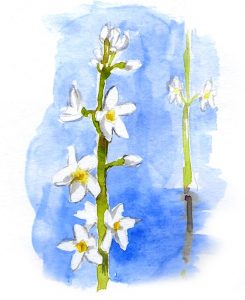 Water Violet
- JAN
- FEB
- MAR
- APR
- MAY
- JUN
- JUL
- AUG
- SEP
- OCT
- NOV
- DEC
 Cuckoo
- JAN
- FEB
- MAR
- APR
- MAY
- JUN
- JUL
- AUG
- SEP
- OCT
- NOV
- DEC


